

Connecting Memories: Citizen Science Project Investigates Nazi Forced Labour in Lower Austria
Citizens, descendants and local initiatives are invited to contribute documents, photos and memories and conduct joint research
A new research project led by the University for Continuing Education Krems is dedicated to little-known aspects of Nazi forced labour in Lower Austria and aims to investigate them primarily with the help of private sources. Under the title ‘Connecting Memories – Research, Preserve, Share. Forced Labour in Lower Austria’, citizens, descendants and local initiatives are called upon to contribute documents, photos or memories to the joint research of this history.
During the Second World War, millions of people were forced to perform labour in the German Reich and the occupied territories. In Lower Austria, too, prisoners of war, Hungarian-Jewish forced labourers and other civilian workers were employed in agriculture, industry, infrastructure projects and private households. Despite existing research, however, many regional characteristics and individual experiences remain poorly documented to this day.
Sustainable remembrance and research
Many traces of this history can be found in private collections: in the families of former forced labourers from Europe, Ukraine and Russia, but also among former local ‘employers’, neighbours and contemporary witnesses. The project aims to make these materials accessible on a larger scale for the first time.
To this end, a digital platform is being set up where documents, photos and memoirs can be collected, secured and scientifically indexed. AI-supported text recognition processes are also being used to make historical sources in different languages more easily accessible.
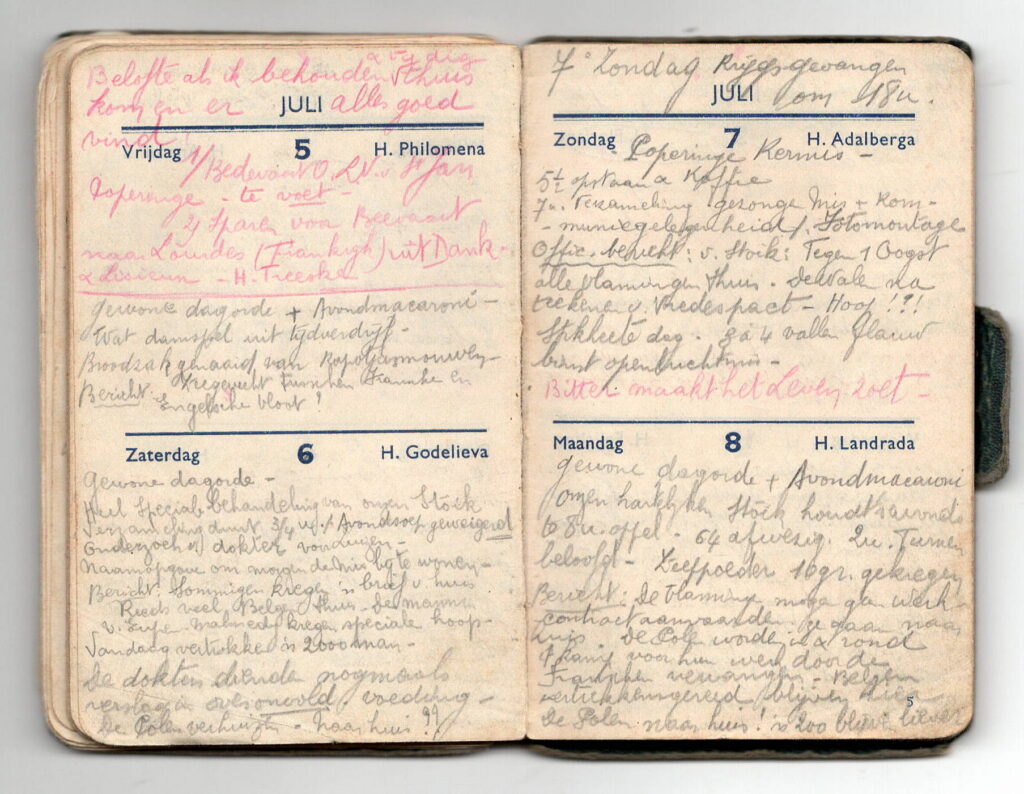
© Jan Luyssaert.
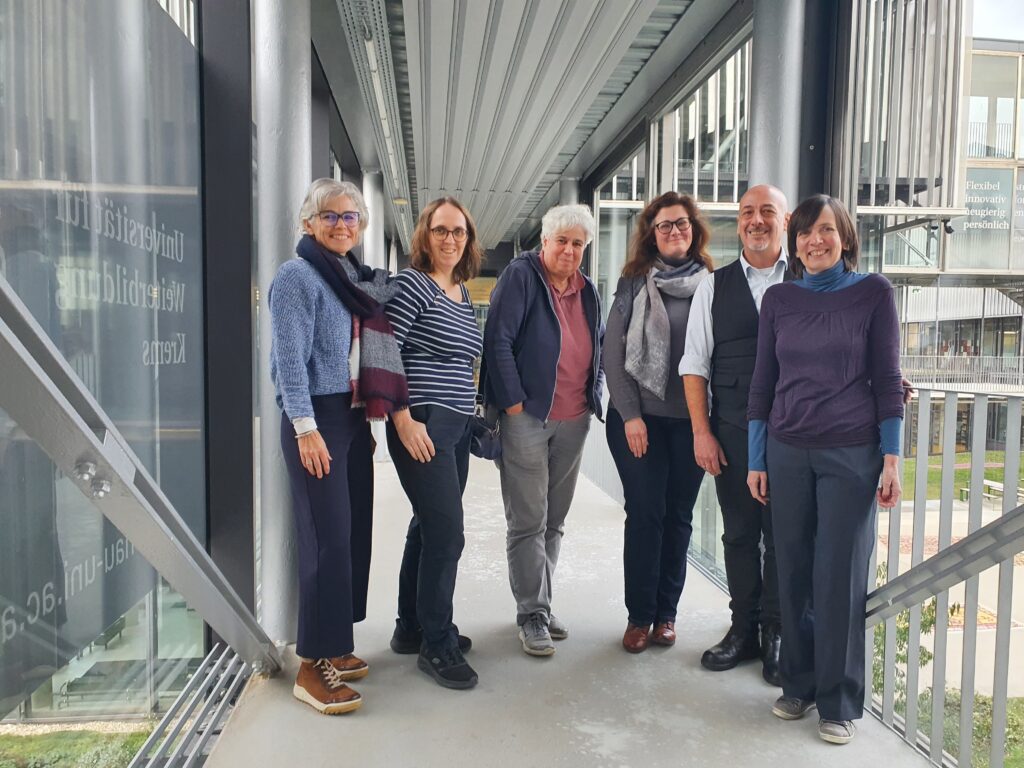
‘We are not only interested in how different forms of remembrance and research can be combined, but also in how this violent past can be remembered and processed in a dialogical manner,’ explain project leaders Edith Blaschitz and Eva Mayr from the University for Continuing Education Krems. ‘“Connecting Memories” aims to create a space where descendants, researchers and citizen scientists can share their knowledge and conduct research together.’
From the perspective of Martha Keil, scientific director of the Institute for Jewish History in Austria, the significance of the project lies in the fact that it makes memories accessible that cannot be found in any official archive. ‘Personal memories provide historical research with information about events and experiences that cannot be found in official documents. This opening up of the treasures of memory preserved in families, across national, religious and political boundaries, is what makes this project so particularly valuable.’
Making history visible together
Connecting Memories will be run from 2025 to 2028 by the University for Continuing Education Krems, the Institute for Jewish History Austria (INJOEST) and the Vienna Wiesenthal Institute for Holocaust-Studies (VWI). The project is supported by an advisory board, which includes representatives from the Belgian State Archives and the Yad Vashem International Holocaust Memorial.
Funded by the Lower Austrian Research Promotion Agency (GFF NOE), the project is initially focusing on Hungarian-Jewish forced labour in Lower Austria and the labour assignments from the Stalag XVII B prisoner-of-war camp in Krems-Gneixendorf. Anyone interested is invited to participate – with their own documents and memories or by actively contributing to the research work.
Contact: connectingmemories@donau-uni.ac.at
(This text has been automatically translated from German)